
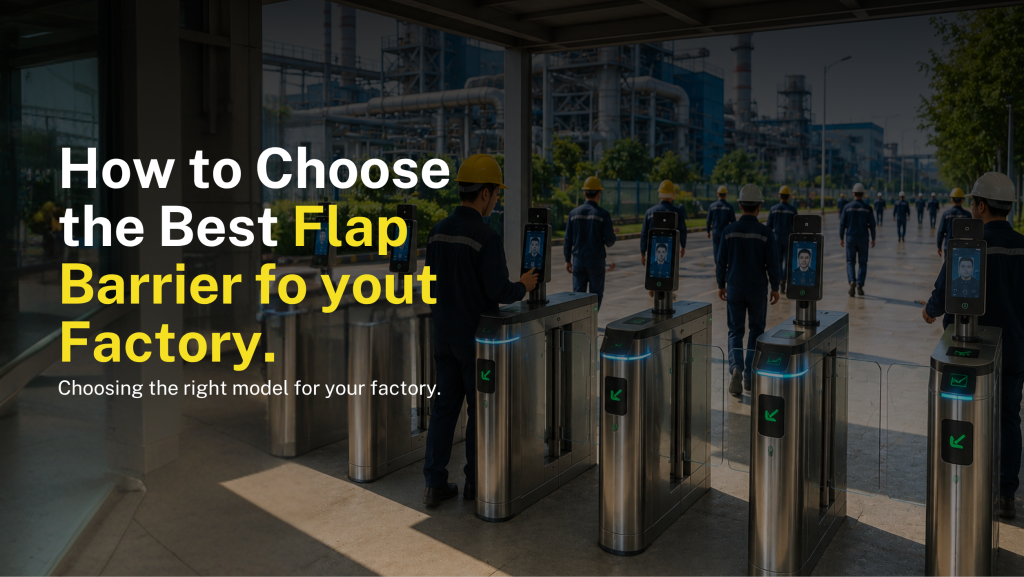
Factory security is no longer just about locking doors and installing CCTV cameras. Modern manufacturing facilities require smart access control solutions that can manage employee movement, prevent unauthorized entry, and improve operational efficiency. One of the most effective solutions available today is the flap barrier. These intelligent entrance control systems combine security, convenience, and modern technology to create a safer and more organized workplace.
However, not all flap barriers are the same. Choosing the right model for your factory requires careful consideration of your security needs, traffic flow, and long-term operational requirements. In this guide, we will explore the most important factors to consider when selecting the best flap barrier for your factory.
Understand Your Factory’s Security Requirements
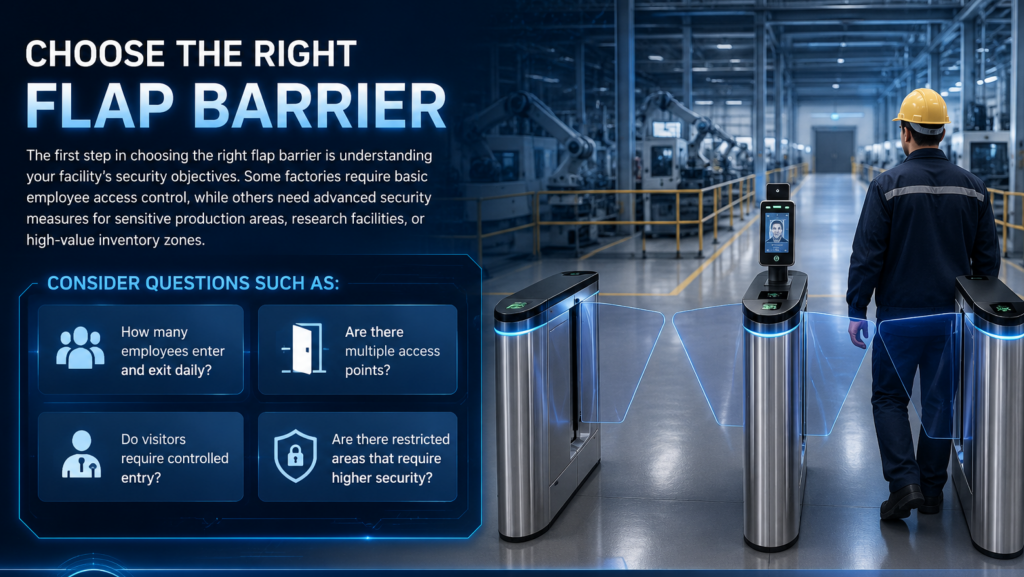
The first step in choosing the right flap barrier is understanding your facility’s security objectives. Some factories require basic employee access control, while others need advanced security measures for sensitive production areas, research facilities, or high-value inventory zones.
Consider questions such as:
- How many employees enter and exit daily?
- Are there multiple access points?
- Do visitors require controlled entry?
- Are there restricted areas that require higher security?
A clear understanding of your security requirements will help you select a flap barrier system that provides the right level of protection.
Evaluate Traffic Flow and Throughput

Factories often experience peak traffic periods during shift changes, lunch breaks, and employee arrival times. Choosing a flap barrier with sufficient throughput capacity is essential to avoid congestion and maintain smooth operations.
High-speed flap barriers can process large numbers of people quickly while still maintaining strict access control. This improves employee convenience and reduces delays at entry points. If your factory handles hundreds or thousands of workers daily, investing in a high-performance system can significantly improve operational efficiency.
Ensure Easy Management and Monitoring
The best flap barrier systems provide real-time monitoring and centralized management capabilities. Security personnel should be able to view entry records, monitor access events, generate reports, and manage user permissions from a single dashboard.
Cloud-based management solutions offer additional convenience by allowing administrators to monitor access activity remotely from any location. This level of visibility helps improve security oversight and operational efficiency across the facility.
Consider Durability and Build Quality
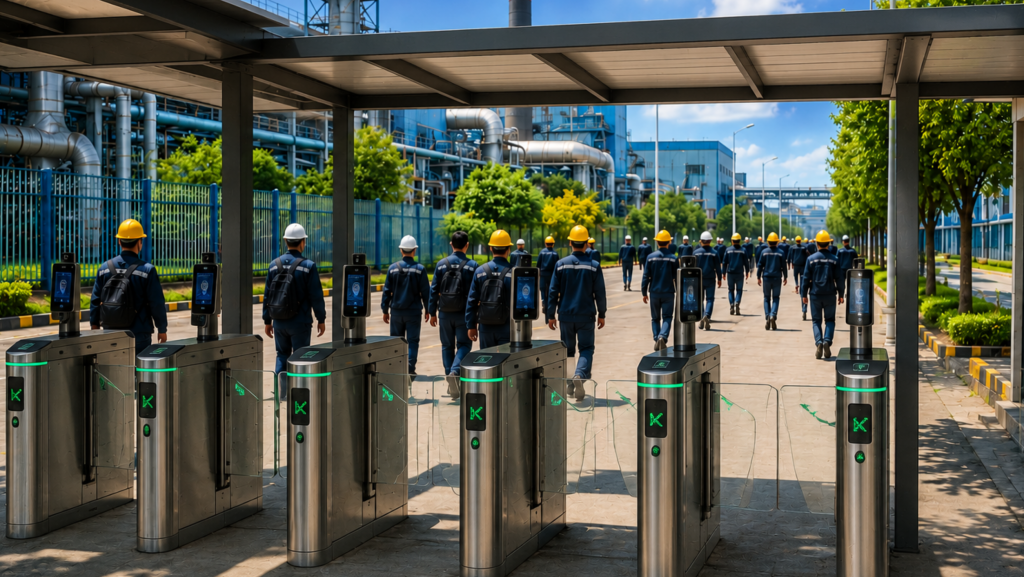
Factory environments can be demanding. Dust, humidity, heavy foot traffic, and continuous operation can place significant stress on access control equipment.
Look for flap barriers constructed from high-quality materials such as stainless steel. Durable construction ensures reliable performance and reduces maintenance requirements over time.
A robust flap barrier may require a higher initial investment, but it often delivers better long-term value through lower repair costs and longer service life.
Conclusion
Choosing the best flap barrier for your factory involves more than simply selecting a gate. It requires balancing security, safety, convenience, and long-term reliability.
By evaluating your facility’s traffic flow, security requirements, access control integration needs, and future expansion plans, you can invest in a solution that enhances both protection and operational efficiency.
A modern flap barrier not only secures your facility but also creates a smarter, more professional workplace. With the right system in place, your factory can enjoy improved access control, stronger security, and a seamless entry experience for employees and visitors alike. For more details, contact us for a consultation. Follow our Facebook for more updates!