
Implementing robust security systems is vital for protecting a company’s physical assets, property, and personnel. This will minimize risks like theft, vandalism, and fraud. In this article, we will learn on how to improve building security and access control so a truly secure environment can be achieved.
Improving your building security and access control doesn’t have to be a complex, overwhelming project. By following a structured, step-by-step plan, you can systematically strengthen your defenses, create a safer environment, and gain peace of mind.
This guide provides a clear, five-step action plan to assess your current weaknesses and implement effective, modern access control solutions.
Step 1: Conduct A Deep Security Risk Assessment

You can’t fix what you don’t know. Before buying any new system, start with an honest audit.
Improving your building’s security like getting a health check-up. You can’t treat what you haven’t diagnosed. Before investing in new locks or high-tech systems, take time to truly understand your building’s current security picture.
Check every door, gate, garage, loading dock, and even less obvious entries like rooftop doors or maintenance hatches. Ask yourself: which doors lead to your most important or sensitive areas, like server rooms, executive offices, or storage rooms with valuable stock?
Step 2: Define Access Levels And Policies

Good security isn’t about locking everything down, it’s about giving the right people the right access at the right time.
Start by grouping people into clear categories, like Regular Staff, Visitors, and Managers. Then, look at your earlier security check-up and decide which doors each group actually needs to use. For example, do cleaners really need to enter the finance office? Do interns need warehouse access?
Once you set these access levels, add time rules. Should the main office door lock automatically at 7 PM? Does the lab need to be accessible on weekends? Using a modern system, you can easily set these schedules to keep things secure, especially during off-hours.
Don’t forget visitors they’re often the biggest oversight. Create a simple, mandatory check-in process. Every visitor should sign in, receive a temporary access that clearly marks them as a guest, and ideally, be met by their host.
Step 3: Choose the Right Technology For Your Needs
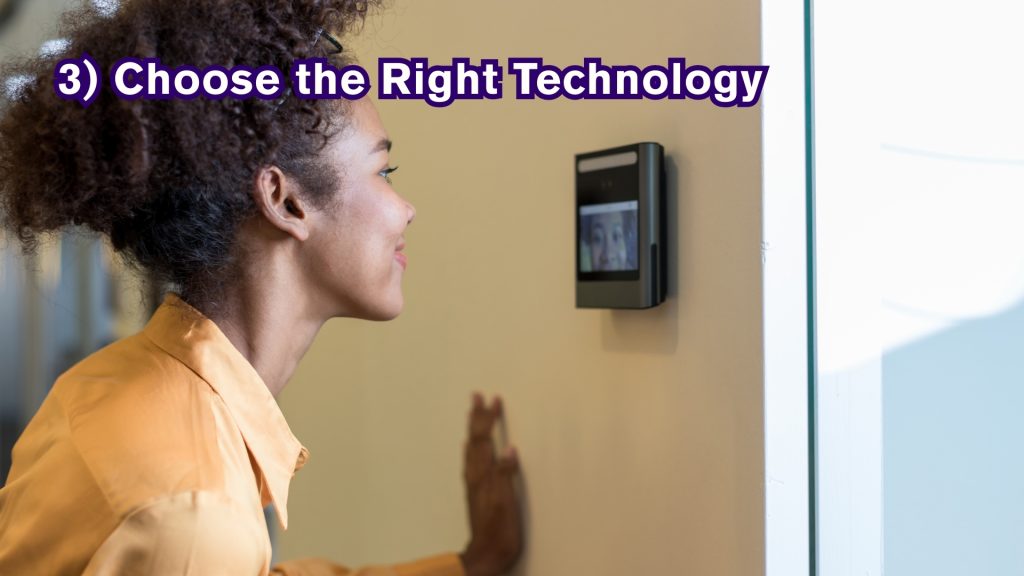
You have several modern and secure options for how people unlock doors. Standalone door access control are a strong, affordable upgrade from metal keys. For greater convenience and security, invest in advance door access control with biometric verification to eliminate the need to carry an extra card.
For your most secure areas such as server rooms or research labs, biometric systems like fingerprint or facial recognition link access directly to a person and cannot be shared or copied.
Next, decide what type of system you’ll use to control your doors. Standalone electronic locks work well for one or two entrances but don’t connect with each other. If you want full oversight including with time attendance, a cloud-based system with built-in software is your best choice. This lets you manage every door from a single dashboard on your computer or phone, instantly add or remove access for employees, and view a complete log of every entry and exit, from anywhere.
Step 4: Implement, Train, And Communicate

Choose a high-security area like your server room or a willing department to try the new system before you install it everywhere. This test phase lets you find and fix any problems with a smaller group, making the full rollout smoother and less risky for the whole company.
Next, train everyone clearly. The administrators who will run the system need in-depth training. Clear instructions prevent confusion and future issues.
Most importantly, explain the reason for the change. Frame it as a positive upgrade that keeps everyone, and their workspace, safer. When people understand the “why,” they are more likely to help rather than resist.
Step 5: Monitor, Audit And Evolve

Check your activity logs often. This record shows you every entry and exit. Watch for anything unusual event like someone trying to enter late at night, multiple failed attempts at one door, or a card being used in two different places almost at the same time. These small signs can warn you of a possible security issue before it becomes serious.
You should also review user permissions regularly. Every few months, quickly check who still has access to important areas like server rooms or executive offices. The best feature of a modern system is that you can remove access immediately. When someone leaves the company, take away their access right away. This prevents a major security gap that old-fashioned keys would leave open for months.
Finally, update your security as your business changes. If you add staff, move offices, or start using new areas, your security rules should change too. Once a year, revisit your security plan to make sure it still fits your needs.
Benefits of Access Control Systems Improved Security
One of the most important benefits of using an access control system is the improved security it can provide. By restricting access to only those who have been authorized, you can help prevent unauthorized individuals from entering sensitive areas. This can help protect your property, information, and assets, as well as the safety of your employees.
Powerful security
By ensuring only the right people can enter specific areas at designated times, you create a formidable barrier against theft, vandalism, and unauthorized entry. This direct control protects not only your physical assets and sensitive data but, most importantly, the personal safety of everyone inside the building. It transforms security from a hopeful wish into a managed, reliable reality.
Operational efficiency
A centralized digital system streamulates entry for authorized personnel, eliminating frustrating delays and administrative headaches. This smooths daily workflows, saves valuable time for employees and managers alike, and removes a common source of workplace friction.
Flexibility and control
With a modern system, you can adapt instantly. Need to grant temporary access to a contractor for a weekend project? Done. Must restrict a department’s access after business hours? A quick click in the software handles it. This agility allows your security to evolve in real-time with your business, without the cost and disruption of physically changing locks or reissuing keys. It puts you firmly in the driver’s seat.
End Note
Improving your building security and access control is a clear path from vulnerability to vigilance. By following these five steps, you transform security from a frustrating cost center into a strategic asset that protects your most valuable resources: your people, your property, and your peace of mind.
Upgrade your building security today with Door Access Control System and let your environment free from potential threat!
For more details, contact us for a consultation. We provide installation for door access control.